Announcement

Collapse
No announcement yet.

AMD Stock Price Surpasses Intel's for First Time in 15 Years

Collapse
X
 
  • Filter
  • Time
  • Show
Clear All
new posts

  • AMD Stock Price Surpasses Intel's for First Time in 15 Years


    AMD Stock Price Surpasses Intel's for First Time in 15 Years


    If you've been investing in Intel stock over the last few years, you've undoubtedly witnessed pretty significant growth. But if you've been investing in AMD, then you're probably even more chuffed right now. That's because AMD's stock price has just surpassed that of Intel, marking the first time this has happened since 2006.

    Currently priced at $61.79, AMD's stock price is just a hair more valuable than Intel's at $61.57 (7:45 am Pacific Time), though the two have been battling for the top spot over the last few hours. This comes after AMD broke its all-time stock price record at the start of this year.

    Of course, it must be said that the stock price says nothing about the company's value. For that, you would need to multiply the stock price by the number of shares, and that's when things end up looking totally different.

    AMD has a market cap of $72.43 billion USD, whereas Intel is far more valuable at $260.79 billion USD -- and that, again, doesn't say much about what the company is worth in actual assets.

    What these figures do show is that there is quite a bit of optimism among investors right now, which isn't surprising given AMD's history. Ever since Lisa Su became the company's CEO, AMD has been growing tremendously. In fact, Su has been named one of the world's best CEOs.

    One of AMD's primary driving forces right now is the Zen architecture at the heart of its Ryzen CPUs, which debuted in 2017 and has since been revised to Zen+ and Zen 2. The latter is currently dominating the market at the 7nm fabrication process, all while Intel is still trying to advance from 14nm with just a few products on the 10nm node.

    It won't be long until AMD releases CPUs with its next revision of the Zen architecture, Zen 3. Two days ago, AMD confirmed that Zen 3 CPUs will launch this year. Next week, AMD will hold its earnings call, so we'll likely get an update from the company then.

  • #2
    อ่าห์.... รอทีมดูผลประกอบการ

    แป๊ปนึง

    Comment


    • #3
      บ.มันเล็กกว่านี่นะ ผลประกอบการสู้ไม่ได้หรอก เห็นพยายามยั่วอยู่
      แต่ขำตรงที่มีคนบอก ทำ 7nm ไม่ทัน เพราะหลีกทางให้ 10nm นี่แหละ
      ของ AMD จะทำ 7 แต่โดนบีบให้ไปใช้ 5nm แต่ทางโน้นจะทำ 7 โดนบีบใข่ให้ใช้ 10nm

      ช่วงนี้เมื่อยเลยขี้เกียจเตะน่ะครับ

      AMD มันจะโตคงไม่แปลก ที่ ROZ ผมแปะไว้ว่าขนาด NASA ยังจับไปลองๆเลย
      คงมีคนหันมามอง AMD มากขึ้นนั่นแหละ หุ้นมันเลยขึ้นแซงไป เรื่องหุ้นนี่เล่นอยู่ฝั่งนู้นพักนึงแล้ว
      Last edited by ssk; 24 Jul 2020, 20:16:38.

      Comment


      • #4
        ขอให้โตขึ้นอีก แต่ราคาไม่โตขึ้นได้มั้ยครับ ^^

        แต่ก็แปลกนะครับ ผมใช้AMDมาตลอดเพราะราคามันถูกเลยไม่แตะIntelเลยเพราะราคาแพง แต่พอAMDราคาโด่งสูงถึงหลักหมื่น

        แต่ก็ดันซื้อ AMD Ryzen7 ได้หน้าตาเฉยทั้งๆที่ต้องการซื้อราคาถูก 55555 สงสัยใจมันรัก AMD มั้งครับ ผมเนี่ย

        Comment


        • #5
          Originally posted by pluvos View Post
          ขอให้โตขึ้นอีก แต่ราคาไม่โตขึ้นได้มั้ยครับ ^^

          แต่ก็แปลกนะครับ ผมใช้AMDมาตลอดเพราะราคามันถูกเลยไม่แตะIntelเลยเพราะราคาแพง แต่พอAMDราคาโด่งสูงถึงหลักหมื่น

          แต่ก็ดันซื้อ AMD Ryzen7 ได้หน้าตาเฉยทั้งๆที่ต้องการซื้อราคาถูก 55555 สงสัยใจมันรัก AMD มั้งครับ ผมเนี่ย

          สมช.เก่ามีรายชื่อ ใน.fx. club ไม้ครับ
          แหมเว็บเอ็กสตรีมไอที ตั้งชื่อ พาลไปฟีน่อม fx
          เปนยุคดาร์ค เอจเลย หลังจากนี้ คงสว่างไปนาน
          โหนดการผลิตลดเร็วจนอินเทล คงต้องรีบ
          แก้ปัญหา Samsung. ก็น่าจะมา5nm.แล้ว

          Comment


          • #6
            AMD (NASDAQ: AMD) Shares Soar Over 16% as Intel Flounders in the 7nm Arena
            นอกจากราคาหุ้นจะแซงหน้า INTEL ไปเมื่อวาน วันนี้หุ้น AMD ยังตงขึ้นไปอีก 16% ในขณะที่หุ้น INTEL ตกลงราวๆ 16% เช่นกัน


            AMD (NASDAQ:AMD 69.4 16.50%) has emerged as the biggest winner from Intel’s (NASDAQ:INTC 50.625 -16.18%) massive cock-up yesterday, further cementing its status of a rising challenger. As an illustration, AMD shares are up 16.27 percent, trading at $69.26 price level, as of 14:50 ET. Should AMD manage to close near this point, it will have formed a fresh all-time high.

            So, how did AMD receive such a boost? The saga began yesterday when Intel revealed as part of its Q2 2020 earnings:

            ทำไมหุ้น AMD ยังคงทะยานอย่างต่อเนื่อง ทั้งที่ INTEL เพิ่งประกาศผลประกอบการไตรมาส 2/2020 น่ะหรือ

            “The company's 7nm-based CPU product timing is shifting approximately six months relative to prior expectations. The primary driver is the yield of Intel's 7nm process, which based on recent data, is now trending approximately twelve months behind the company's internal target.”

            มันเนื่องมาจากข่าวการเลื่อนวางตลาf CPU ขนาด NODE 7nm ออกไป เพื่อเปิดทางให้กับ CPU ขนาด 10nm และน่าจะถึง 12 เดือน จากเป้าหมายของ INTEL

            Even though Intel’s financial performance was solid during the quarter, the repercussions of this announcement went far and wide. Intel shares plummeted over 9 percent in the after-hours trading. Today, the stock is down another 16 percent, currently trading at $50.68 price level.

            A number of analyst pronouncements since yesterday have been adding to Intel’s gloom and AMD’s euphoria. For instance, Bernstein analyst Stacy Rasgon noted that intel’s earnings call was the "worst we have seen", bringing the company’s structural issues to the forefront. Moreover, Raymond Jones analyst, Christopher Caso, said:

            "Moore's Law doesn't wait for Intel."

            ซึ่งทำให้นักวิเคราะห์ Raymond Jones และ Christopher Caso พูดว่า กฎของมัวร์ไม่รอ INTEL

            Caso further added that the news will be viewed as a positive for AMD as it will now have a transitory advantage for the next 3 years.

            In this backdrop, AMD is shining brighter than ever. Earlier in July, the company announced the Ryzen 4000 desktop processors based on the 7nm Zen 2 architecture with built-in Radeon graphics. AMD’s press release noted that the Ryzen 4700G Desktop Processor offers:

            และผลจากการเปิดตัว RYZEN 4000G แสดงให้เห็นว่า

            Up to 2.5X multi-threaded performance compared to the previous generation
            Up to 5% greater single-thread performance than the Intel Core i7-9700
            Up to 31% greater multithreaded performance than the Intel Core i7-9700
            Up to 202% better graphics performance than the Intel Core i7-9700
            Moreover, the anticipated launch of the company’s Big Navi GPU later this year is also adding to the investor euphoria. As an illustration, Cowen Inc. cited this development earlier in July as the foundational construct for a stock price target hike from $60 to $65. Cowen analyst Matthew Ramsay praised AMD's strong and predictable product execution – now consisting of "Milan launch, Big Navi launch, Genoa design closure, 6nm timelines" – as well as server revenue growth, constituting “the most important LT [long-term] revenue sticks".


            และ AMD กำลังวางแผนผลิต CPU/GPU BIG NAVI ที่เร็วกว่า XE ทั้งมวล ที่ขนาดการผลิต 6nm หรือต่ำกว่า TSMC ยืนยัน 5nm หรือ ต่ำกว่า
            และนอกจากนี้นักวิเคราะห์ต่างให้ความเห็นว่า AMD มีผลิตภัณท์ที่น่าสนใจอีกหลายตัวที่กำลังจะออกวางจำหน่ายอย่างต่อเนื่องในปีนี้ถึงปีหน้ ซึ่งทำให้ผลประกอบการโตอย่างราบรื่น


            Given the emerging paradigm, unless Intel manages to stage a surprise comeback, AMD can expect smooth sailing ahead.


            ในวันเดียวกันผู้ถือหุ้น Intel ขาดทุน 40,130 ล้านดอลล่าสหรัฐ ผู้ถือหุ้น AMD กำไร 11,320 ล้าน จาก บ. ที่เล็กกว่า INTEL มาก

            Comment


            • #7


              อืม ผมเล่นหุ้นหาค่ากับข้าวเล็กๆน้อยๆ มาตั้งหลายปี เพิ่งรู้วันนี้แหละ ว่านักวิเคราะห์เค้าใช้ CATALOG ASUS เป็นข้อมูลในการตัดสินใจซื้อหุ้นก็วันนี้แหละ
              นึกว่าเค้าใช้ข้อมูลแนวโน้มธุรกิจมาตั้งนาน


              Last edited by ssk; 25 Jul 2020, 11:02:49.

              Comment


              • #8

                Comment


                • #9

                  Intel delays 7nm, considers using rival foundries

                  ความล่าช้าในการพัฒนากระบวนการผลิต เพื่อหลีกทางให้ NODE เทพ ขนาด 10 nm
                  ทำให้ INTEL อาจต้องตัดสินใจบากหน้าไปพึ่งพา FAB จากคู่แข่ง


                  sorce Datacenter Dynamics


                  Intel has warned that it will have to delay the production of its 7-nanometer chips.

                  The company's 10nm product lines are years behind schedule, after the company faced serious production difficulties.

                  การผลิต 10nm เองก็ล่าช้ากว่าแผนงานมาเป็นปีแล้ว ทำให้ บริษัทต้องเผชิญหน้ากับความยากลำบาก

                  At the time, Intel said that it expected to keep the 10nm generation short and get things back on track with 7nm - but that plan has now been upended.

                  7nm PC CPUs will shift to late 2022 or early 2023, while server CPUs are now planned to launch in 2023. The company's 7nm data center GPUs, codenamed Ponte Vecchio, are set for late 2021 or early 2022.

                  Rivals AMD, Nvidia, and Ampere all offer 7nm products, manufactured by TSMC. The companies are currently booking capacity with the Taiwanese semi foundry to ship 5nm chips by the end of 2021.

                  ทั้งนี้คู่แข่งทั้งหมดของ INTEL ต่างผลิต CHIP ที่ node 7 nm กันหมดแล้ว โดยความสามารถของ TSMC และ บ. เหล่านี้ได้จองสายการผลิต NODE 5 nm เรียบร้อยแล้ว

                  A good day to be AMD

                  – Sebastian Moss
                  "The company's 7nm based CPU product timing is shifting approximately six months relative to prior expectations," Intel said in its earnings statement.


                  "The primary driver is the yield of Intel's 7nm process, which based on recent data, is now trending approximately twelve months behind the company's internal target."

                  In an earning's call, CEO Bob Swan said that the company had "identified a defect mode in its 7-nanometer process that resulted in yield degradation."

                  He added: "We’ve root-caused the issue and believe there are no fundamental roadblocks, but we have also invested in contingency plans to hedge against further schedule uncertainty."

                  With its Ponte Vecchio GPU expected to be delivered next year for the first exascale system, Aurora, and with concerns that this delay might not be the last, Intel said that it was considering turning to other foundries. The move would be a huge shift for the company, which has always made its core processors internally and promoted its vertical strategy as key to its success.

                  "In the event there is a process slip, we can try something rather than make it all ourselves," Swan said. He said that the company will be "pragmatic and objective" when deciding whether to use its own factories, external ones, or a combination of the two. Ponte Vecchio could use "external and internal process technologies combined with our world-leading packaging technologies," he said.

                  Shares in Intel, which otherwise had a strong quarter with sales up 20 percent to $19.7bn, dropped 10 percent in after-hours training.

                  Comment


                  • #10
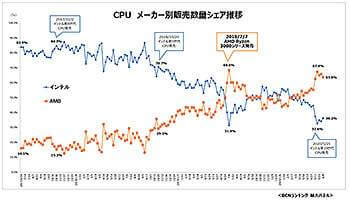
                    แต่ Intel ใน ญี่ปุ่น ยอดตกมานานแล้วนะ ตั้งแต่ Ryzen 3000 Series

                    AMD DIY CPU Shares Quadruple in Japan in the Last 3 Years: 16% to 67%, Intel Sinks to 32%


                    Comment


                    • #11


                      ค่อยเป็นค่อยไปครับ ทยอยๆลงไป ผมว่าท่านเอาข่าว 4000G ไม่กั๊กเลนไปปั่นต่อดีกว่า
                      ข่าวนี้ผมไม่แตะ ขนาดเอา catalog asus มามโนแล้วนี่
                      ผมว่าช่วงนี้ nasdaq ปั่น inhell ซะยับล่ะครับ
                      Last edited by ssk; 25 Jul 2020, 11:49:43.

                      Comment


                      • #12
                        We’ve Never Seen Intel Struggle Like This < ไม่เคยพบเคยเห็นว่า INTEL มันจะซวยขนาดนี้มาก่อน
                        ปล. ก็เอาแต่กด F5 มันก็ต้องเจอเรื่องซวยๆ แบบนี้แหละ จะบ่นทำไม

                        Sorce


                        Last week, Intel announced that it would delay its 7nm process node at least six months. According to company CEO Bob Swan, the node is at least 12 months behind Intel’s internal roadmaps. In the short term, that means product delays and probably some refreshed 10nm hardware in place of new 7nm equipment. In the long term, the potential outcomes range from “Intel regains process leadership” to “Intel becomes a fabless company.” Not much pressure there.

                        Intel’s current situation is historically unprecedented for the giant CPU manufacturer. While Intel shipped 10nm commercial laptop silicon in volume beginning ~12 months ago, the company has yet to transition its desktops or servers to the new node. Production volumes of Ice Lake servers are expected to start shipping at the end of 2020, with the first desktop 10nm CPUs scheduled for H2 2021. It took Intel about five years to move from 14nm Broadwell to Ice Lake (mobile), 5-5.5 years for Xeon depending on which models launch first, and six years for desktop. Rocket Lake may deliver a new architecture on 14nm, but Alder Lake will be the first new node.

                        While Intel’s 14nm transition woes have occupied a majority of column inches, they aren’t the only headwinds the company is currently facing. Two years ago, I wrote a story titled “Intel is at a Crossroads,” discussing both the company’s manufacturing problems and the bets it was making in fields like AI and 5G. Two years later, some of those bets have either failed or have yet to pay off.

                        Intel’s 5G business became much narrower after the company sold its modem IP to Apple. Intel’s upcoming Movidius platform, Keem Bay, which reportedly offers much higher efficiencies than competing parts from Nvidia, allegedly integrates a Cortex-A53 CPU rather than an Intel x86 part. In January, Intel announced it was ending its investment into Nervana and moving its product plans to IP created by rival Habana Labs.


                        Ponte Vecchio, which was supposed to be Intel’s first 7nm chip and set to debut in early 2021, has been pushed to late 2021/early 2022. Immediately after notifying investors that Ponte Vecchio had slipped, CEO Bob Swan stated: “We now expect to see initial production shipments of our first Intel-based 7-nanometer product, a client CPU in late 2022 or early 2023.” The implication here is that Ponte Vecchio is either no longer being built on 7nm, or that the GPU core is no longer being built at Intel. During Intel’s conference call, multiple investors picked up on the fact that the company referred to 7nm as being 12 months behind internally but facing only six months’ worth of delay, and sources we spoke to with some knowledge of Intel’s roadmaps echoed those uncertainties. There is not a great deal of confidence in the industry about Intel’s ability to hit these new dates — not given the tremendous problems the company has encountered to-date.

                        Intel’s PSG (Programmable Solutions Group), which contains its Altera FPGA business, continues to bump along at ~$500M per quarter — not chump change, but well behind Xilinx. The entire concept of CPU + FPGA on the same piece of silicon seems to have taken a backseat to other advances. Intel launched a Xeon with an integrated FPGA with the Xeon Gold 6138P back in 2018 but has not updated the SKU since.

                        Optane may have long-term potential as a memory technology and 2nd generation should be faster than first, but existing software often has to be rewritten to take advantage of Optane’s characteristics and it’s still at a disadvantage to NAND in terms of cost. Foveros and Intel’s Omni-Directional Interconnect could be foundational breakthroughs for future technologies, but even the best interconnect needs solid components to attach to. Jim Keller’s decision to leave for “personal reasons” doesn’t really pass the sniff test.
                        What Intel Risks


                        Intel has a remarkable habit of making tons of money when it’s in trouble, technologically speaking. Prescott was both the worst CPU Intel ever shipped and a revenue record-breaker when it was new, and Intel’s overall data center and CPU sales have been doing very well the past few quarters. Part of that boost is from COVID-19, but the company was enjoying robust demand even before the pandemic hit. Those of you hoping that 2023 will dawn on a broken Intel, begging for financial relief from the likes of AMD or TSMC had best temper those expectations. Intel will continue to do well for a number of reasons, including continued excellence in specific markets/workloads, familiarity, inertia, multi-year purchase agreements, and being the platform of choice for a lot of software in circumstances where customers buy what their applications officially support, Intel is going to continue to hold on to large segments of workstation, desktop, and server markets.

                        If this was 2012, the article might end right there. With no ARM or x86 competitors on the horizon, Intel could ride out the next 3-5 years, fix its process nodes and its CPUs, and get back in the saddle without ever facing a serious competitor. But this isn’t 2012, and Intel is facing threats across the spectrum. Its rival x86 manufacturer, AMD, is making a serious play for overall market leadership. At the same time, Intel faces not just one ARM-based competitor, but a number of them: Qualcomm and Apple in laptops and Amazon, Ampere, Nuvia, and all other Neoverse-based products in servers. All we need at this point is for Western Digital to announce a new RISC V-based high-performance processor.

                        It’s not the near-term risks in 2021 – 2022 that should be keeping Intel investors up at night. It’s the question of how this situation evolves in 2024, 2025, and beyond. At this point, there is little reason to believe that Intel is going to have 7nm ready to ship six months after its original target. Backporting 10nm features into Rocket Lake’s 14nm will buy Intel some time, but the company obviously can’t keep designing chips for the same node forever.

                        All of these delays are virtually certain to pile into each other, because there are some critical technology introduction windows that have to happen at node transition boundaries. EUV has to go in. Once installed, continuing to scale downwards will require either high-NA EUV devices or the adoption of multi-patterning. Either way, these aren’t fire-and-forget technologies for Intel — they’re technologies that have to be installed and then scale downwards while improving yield as well.

                        It’d be stupid to count Intel out altogether, given the company’s history and long track record of proven performance — but it’d be just as stupid to pretend everything is going well at the silicon giant. I stand by my estimates from last week — Intel has 2-3 years to demonstrate a fundamental turnaround, or investors are going to start raising serious questions about its future as an IDM.

                        Comment


                        • #13
                          จริงๆเรื่องราคาหุ้นมันไม่ใช่ประเด็นหรอกครับ ดูที่ Marketcap หรือราคาหุ้นคูณกับจำนวนหุ้น มันจะสื่อถึงมูลค่าบริษัทมากกว่า ซึ่งตรงนี้ AMD ก็ยังเล็กกว่า Intel ประมาณ 2 เท่ากว่าๆ (209 billion vs 79 billion) หรือจะบอกว่า True ราคาหุ้น 3 บาทกว่า เล็กกว่า Dtac ราคาหุ้นเกือบ 40 บาท ซึ่งก็ไม่ใช่ เพราะ Marketcap True มากกว่า Dtac

                          ถ้าจะสื่อจากข่าวน่าจะเป็นว่า ราคาหุ้น AMD ขึ้นร้อนแรงสวนทางกับ Intel มากกว่าครับ

                          Comment


                          • #14

                            เอาน่า จังหวะลูกมันเข้าเท้า ขอลากโชว์รอบสนามสักหน่อย มันจะได้จำความป่วนนี้ไปอีกนานเท่านาน
                            .


                            ไม่ได้ทำอะไรสนุกๆแบบนี้มานานจนคนลืมไปแล้ว นิดนึงๆ

                            Comment


                            • #15
                              ว่างมานั่งทำไรไปสบายๆ ยกมาที่นี่ด้วย ดูละกันว่าคนมันสิ้นคิดจะเถียงขนาดใหน มันไม่มีไครเค้าไปวิเคราะห์หุ้น ว่ามันจะขึ้นจะลง ด้วย CATALOG ASUS หรอกครับ ถ้านักวิเคราะห์หุ้นระดับโลก เค้าอ่านตัวนี้มาออกข่าว หรือใช้ตัดสินใจลงทุน หุ่น INHELL มันคงไม่หล่นตุ๊บ ภายในวันเดียวหลังประกาศผลประกอบการสุดอลังการหรอกครับ แบบนั้นอย่าว่าแต่จะโดนใล่ออกเลย ตอนจะเข้าทำงานเค้าไม่รับหรอกครับ เอาเอกสารมาฝาก ผลการวิจัยนี้แหละ ที่ทำให้ GOOGLE ตัดสินใจเลือก AMD EPYC และทำไม หลายๆคนถึงบอกว่า INTEL ช่องโหว่เพียบ พนักงาน บ.ระดับโลกแท้ๆ และวิศวกร ตัวท๊อบๆของโลก อย่าง google ที่ใหญ่กว่า INTEL เยอะ เค้าอ่าน CATALOG แค่ตอนจะซื้อ NOTEBOOK ใหม่แค่นั้นแหละ จบโยนลงถังขยะได้เลย ไม่รู้จะใช้ทำไรนอกจากเช็ดตูด
                              ตรงนี้แหละที่ทำให้ AMD เริ่มดีขึ้น เลี่ยวถูกอะไรๆก็ดีขึ้น พอ INTEL ฝีมันแตกได้ถูกจังหวะด้วย ถ้ามันไม่แย่ขนาดนั้น มันทุบลงมาเกือบ 20% ใน 4 วันไม่ได้หรอก
                              ไครว่างลองโหลดมาอ่านเล่นดูครับ เดี๋ยวมาจัด SUB นรก จะได้ไม่งง


                              ยอมรับความกระจอกของ AMD ไม่ได้ หลุดโลกออกนอกอวกาศแล้ว ลืมไปแล้วเหรอ CPU Intel เขาใช้กันนอกโลกนานแล้ว ไปดู แคตาล็อค ASUS สิ ฮี่โท่
                              ไม่แน่จริง เถียงไม่ได้ จะออกนอกอวกาศแล้วพี่น้อง Intel
                              สติปัญญาเด็ก ปวส.ไฟฟ้า ตาตี่ๆ ก็มีแค่นี้ล่ะครับทุกท่าน


                              มาชมสเปคสุดยอด Super Computer ของ NASA ว่าใช้ CPU อะไรกันนะจ๊ะ พี่น้อง Intel


                              พอดีไปบอกว่า NASA เค้า TEST CPU AMD เตรียมใช้แล้วน่ะ อยู่ในกะลานานๆก็แบบนี้แหละ NASA เค้าไม่ค่อยใช้ INTEL แล้ว
                              เค้าไปใช้ MIPS กับ Power PC ตั้งนานแล้ว มันยังไม่รู้เลย อย่างว่าเรื่องพวกนี้ ไม่มีในห้อง INKALA นี่นะ พรุ่งนี้ MARS ROVER+Orbital ที่จะส่งไปดาวอังคาร
                              ก็ใช้ RAD-790 ของ IBM-BAE ( Lockheed martin เก่า )
                              Last edited by ssk; 29 Jul 2020, 19:47:08.

                              Comment

                              Working...
                              X